Avoid hidden rubbish removal fees in Bayswater
Posted on 11/10/2026
If you have ever booked a clearance and then watched the final invoice creep up with "extras", you are not alone. Hidden rubbish removal fees in Bayswater can turn a simple job into an irritatingly expensive one, especially when you are trying to clear a flat, a loft, a garden, or a pile of builders' waste without drama. The good news? Most surprise charges can be spotted early if you know what to ask, what to compare, and what a transparent quote should actually include.
This guide breaks it all down in plain English. You will learn how rubbish removal pricing usually works, where sneaky add-ons tend to hide, and how to compare providers without getting lost in the weeds. We will also cover practical checks for local Bayswater jobs, from tight stairwells to permit issues and bulky item handling. Truth be told, a few minutes of checking now can save you a proper headache later.
Let's get into the detail.
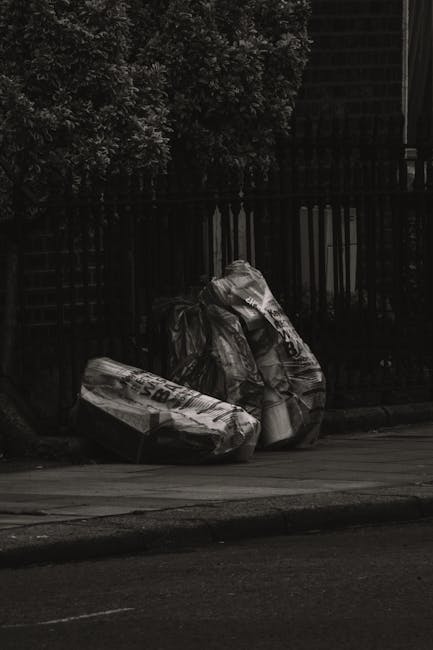
Why avoiding hidden rubbish removal fees in Bayswater matters
Bayswater is busy, built-up, and full of properties that can make waste removal slightly more complicated than people expect. Basement access, narrow halls, shared entrances, parking restrictions, and upstairs flats all add moving parts. That does not automatically mean higher costs, but it does mean pricing should be clear from the start.
Hidden fees matter because they are rarely small. A provider might quote attractively at first, then add charges for loading time, heavier items, stair carrying, congestion-related delays, or waste type. Sometimes those extras are fair. Sometimes they are not explained well enough. And that is where people feel stuck.
For households and landlords alike, a vague quote can make budgeting difficult. If you are clearing an office, a rental property, or a flat after a move, you need a number you can trust. No one wants the conversation that starts with "the job turned out bigger than expected" when the pile on the pavement looked pretty obvious from the start.
Being careful about fees also helps you compare service quality properly. A cheap quote that excludes labour, access issues, or disposal charges may not be cheaper at all once the van is loaded. In practice, the most reliable option is usually the one that explains pricing in a way that makes sense before anyone turns up.
Key takeaway: if a rubbish removal quote feels too neat, too low, or too vague, pause and ask what is included. Clarity beats a bargain that grows legs later.
How rubbish removal pricing and fees usually work
Most rubbish removal companies price jobs using one or more of these factors: volume, weight, labour, access, waste type, and disposal costs. Some use "load space" pricing, where you pay for the amount of the van your waste takes up. Others quote based on a job description and then adjust if the load is very different on arrival.
That model is not inherently wrong. In fact, it can be practical for mixed waste. The problem comes when the customer assumes the quote covers everything, but the provider has left out a few details in the small print. Not ideal, obviously.
Common fee areas include:
- Heavy lifting or extra labour for bulky items, awkward staircases, or long carrying distances.
- Access difficulties such as no parking nearby, a lift that cannot be used, or multiple floors.
- Special waste handling for items that need separation, care, or specific disposal routes.
- Additional load charges if the waste volume is greater than estimated.
- Waiting time if the team cannot start on arrival because access has not been arranged.
- Clear-up extras if the service is quoted as kerbside collection only, but you expect full removal from inside the property.
In Bayswater, access is often the detail that changes everything. A two-bed flat on a quiet street might be simple if there is parking and lift access. The same job can become more complex if the van cannot stop nearby, or if every item has to be carried downstairs by hand. The quote should reflect that reality, but it should do so openly.
One useful habit is to ask whether the quote is fixed or estimated, and what would trigger a change. That one question saves a lot of back-and-forth later.
Key benefits of transparent rubbish removal
Transparent pricing is not just about avoiding annoyance. It changes the whole experience of the job. When the costs are clear, you can make a proper decision instead of gambling on the cheapest headline figure.
Here are the main advantages:
- Better budgeting: you know what you are likely to pay before the team arrives.
- Fewer disputes: clear scopes reduce awkward conversations about "unexpected" charges.
- Faster decisions: it is easier to compare quotes when each one explains the same basics.
- Less stress: no one enjoys haggling over extra charges at the kerbside, not really.
- More reliable timing: transparent companies usually plan jobs more accurately.
- Better service match: you can choose between rubbish collection, full clearance, skip hire, or specialist services based on the actual job.
There is also a trust factor. A provider that spells out what is and is not included often tends to be more professional in the rest of the process too. That does not guarantee perfection, of course, but it is a strong sign that they understand customer expectations.
If you are comparing services such as rubbish clearance in Bayswater and a more tailored option like furniture disposal, transparent pricing matters even more. Different service types may look similar at first glance, yet they can involve very different handling and disposal steps.
Who this is for and when it makes sense
This topic is for anyone who wants a rubbish removal job in Bayswater without paying more than necessary or dealing with avoidable surprises. That includes homeowners, tenants, landlords, letting agents, office managers, builders, and people handling an estate or end-of-tenancy clear-out.
It makes particular sense if you are dealing with any of the following:
- a flat clearance with stairs or limited lift access
- bulky furniture or white goods
- mixed household waste and bags of smaller items
- garden waste after a tidy-up
- office furniture, paper waste, and broken fixtures
- builders' rubble, timber, plasterboard, or renovation offcuts
- garage, loft, or storage unit clear-outs
Some people only need a one-off collection. Others are dealing with a bigger project and need to compare service options carefully. For example, if you are clearing a property near a busy road or a station area, small access details can quickly affect labour time. In that case, the cheapest quote on paper may not be the cheapest job in reality.
This is also relevant if you are already comparing broader service pages like services overview, house clearance in Bayswater, or office clearance. A good provider should help you understand which service actually fits the waste you have, rather than pushing the most expensive one by default. That part really matters.
Step-by-step guidance to avoid surprise charges
If you want to avoid hidden rubbish removal fees in Bayswater, use a simple process. Nothing fancy. Just a few deliberate checks before you book.
- Describe the waste honestly. List the item types, approximate quantity, and whether anything is unusually heavy, sharp, fragile, or awkward. A quick phone photo can help, especially for mixed loads.
- Explain access clearly. Mention stairs, lifts, parking distance, rear access, narrow hallways, or controlled entry. If the team has to carry a wardrobe down three flights in a cramped stairwell, the quote should know that.
- Ask what the quote includes. Labour, loading, disposal, transport, VAT if applicable, and any minimum call-out fee should be clear. If something is missing, ask directly.
- Check what could change the price. Good questions include: What happens if the waste is heavier than expected? Is there a surcharge for additional bags? What if access changes on the day?
- Compare like for like. One quote may look cheaper because it covers less. Another may include full labour and disposal. Put the details side by side, not just the total.
- Confirm special items in advance. Mattresses, fridges, paint, rubble, and electrical items may need separate handling. If you know they are there, name them early.
- Get the agreed scope in writing. An email confirmation is often enough. It does not have to be complicated, just clear.
Here is the simple version: the more specific you are before collection day, the fewer surprises you will face later. A minute with your phone camera can save a twenty-minute argument, and honestly, who needs that?
If your job is time-sensitive, such as a same-day clear-out before keys are handed back, you may also want to review local support pages like same-day rubbish removal in Bayswater for practical context on urgent bookings and access planning.
Expert tips for better results
After seeing plenty of clearance jobs go smoothly and a few go a bit sideways, there are some patterns that stand out. The best outcomes usually come from simple prep, honest communication, and asking one or two very specific questions.
Be precise about the load, not just the room
"It is just a bedroom's worth of stuff" does not always help much. A bedroom filled with clothes bags is very different from a bedroom packed with broken wardrobes, a bed frame, and a heavy chest of drawers. If possible, describe the contents rather than the room name.
Ask about minimum charges early
Some providers have a minimum job size. That can be perfectly normal. The issue is when the minimum appears late in the process. Ask upfront so you can decide whether a combined collection, a charity donation, or another disposal route might make more sense.
Separate reusable from waste where possible
If a sofa, desk, or cupboard still has life in it, say so. It may affect the best disposal route and could reduce the amount that needs to go into the waste stream. It can also help the job move faster. A small win, but a real one.
Don't ignore parking and loading distance
In Bayswater, parking is often the quiet fee-maker. If the team has to park a long way away, that extra walking time can affect the quote or on-site time. Be upfront about the street layout and whether there is loading access. It sounds mundane, but it matters a lot.
Use photos for anything awkward
A photo of the pile, stairwell, or item type can resolve more uncertainty than ten messages. It helps the provider size up the task properly and can protect you from "that's not what we expected" when the van arrives.
One more thing: if a price seems unusually low, ask yourself why. Is it missing disposal costs? Is it just a partial load? Is the quote for kerbside only? Those are fair questions. Ask them.

Common mistakes to avoid
Most hidden-fee problems start with a few very ordinary mistakes. Nothing dramatic, just easy oversights that stack up.
- Choosing the cheapest headline price without checking what is included.
- Leaving out access details and expecting the provider to "work it out on the day".
- Forgetting about bulky or special items such as mattresses, fridges, plasterboard, or electrical waste.
- Assuming labour is included when the quote is actually just for transport.
- Not confirming whether VAT applies if the price is shown in a way that could be interpreted either way.
- Booking without a written summary of the agreed scope.
- Mixing up clearance and collection if you need items removed from inside the property rather than left outside.
Another common one is underestimating volume. We all do it. A room can look tidy when the waste is stacked flat, then become a much bigger load once it is bagged and lifted. If in doubt, send pictures and ask for a sanity check. It is better to have a slightly cautious quote than a bill that makes your eyes narrow.
For people clearing a flat or managing a smaller city property, local planning guides such as the W2 waste clearance guide for Bayswater flats can be a useful companion when thinking through access, storage, and waste volume.
Tools, resources and recommendations
You do not need fancy tools to avoid hidden fees. A bit of planning goes further than most people expect.
- Phone photos or short videos: ideal for showing the amount and type of waste.
- Simple room measurements: useful if you need to estimate volume more accurately.
- A checklist of item types: helps you remember bulky or special items that affect pricing.
- Email confirmation: keeps the agreed scope in one place.
- Building access notes: useful for flats, managed blocks, and restricted-entry properties.
It also helps to know which service is the best fit. For example, junk removal can suit mixed household clutter, while builders' waste clearance is more appropriate when you have rubble and renovation debris. Choosing the right service reduces the risk of mismatched quotes, which is where surprise charges often begin.
If you are comparing prices, you may also want to review the company's pricing and quotes information carefully. That kind of page should explain how quotes are formed, what factors matter, and whether the price is fixed or estimated. If it is vague, take note.
For customers who care about where waste ends up, it is also worth reading about recycling and sustainability. That does not just tick a box. It can also indicate a more considered sorting process, which often goes hand in hand with better operational transparency.
Law, compliance, standards and best practice
Rubbish removal is not something you want handled casually. While many jobs are straightforward, waste still needs to be collected, transported, and disposed of responsibly. In the UK, reputable providers should be able to explain how they handle waste legally and safely, and customers should not be shy about asking.
Good practice usually includes:
- clear identification of waste types
- safe manual handling and loading methods
- appropriate transport and disposal routes
- care with items that could cause injury or damage
- transparent pricing and honest scope definitions
If a company cannot explain how it manages insurance, safety, or customer protection, that is worth noticing. A trustworthy operator should be comfortable discussing practical safeguards. You should feel able to ask simple questions without getting brushed off.
It is also sensible to think about your own duties as the person arranging the clearance. If you are disposing of waste from a business, a tenancy, or a refurbishment, make sure the service you choose is appropriate for the material involved. Special waste should be declared. Messing around with hidden items in the back of the van is how people end up in awkward conversations nobody wanted.
For a better sense of professionalism and process, you can review the company's insurance and safety information and the general terms and conditions. Those pages should help you understand responsibilities, exclusions, and what happens if plans change on the day.
One final practical note: if you are booking around payment, make sure you also understand the available payment methods and any security steps involved. The page on payment and security is the sort of thing that helps set expectations before collection, not after.
Options, methods and comparison table
Different waste jobs suit different solutions. If you only compare by headline price, you may miss the fact that the service type itself is the reason costs differ.
| Option | Best for | Pros | Watch out for |
|---|---|---|---|
| Rubbish removal team | Mixed waste, heavy lifting, fast clear-outs | Convenient, labour included, good for awkward access | Price can vary if access or waste type is not explained |
| Skip hire | Projects with ongoing waste over several days | Useful if the waste will accumulate gradually | Permits, space, and loading restrictions may apply |
| Specialist item disposal | Furniture, appliances, or single bulky items | Simple when the item list is small and clear | Extra fees can appear if items are heavier or harder to move |
| Clearance service | Whole rooms, flats, lofts, garages, or offices | Good for bigger jobs with sorting and removal together | Needs a more accurate scope to avoid surprise add-ons |
If your main goal is to avoid hidden rubbish removal fees in Bayswater, a full-service removal company can be the simplest choice, provided the quote is clear. Skip hire can seem cheaper in some cases, but once you factor in access, permits, loading time, and the fact that you still have to do the lifting, it is not always the bargain people imagine.
That said, the "best" option depends on the job. A small garden tidy-up may suit a different approach from a full flat clearance. If you want local coverage across different job types, it can help to compare services such as garden waste removal, garage clearance, and loft clearance rather than assuming one standard price fits all.
Case study or real-world example
A Bayswater resident clearing a one-bedroom flat before a move-out might think the job is simple: a broken shelving unit, a mattress, several bags of mixed clutter, and a couple of small appliances. On paper, that sounds manageable. Then the details come out. The flat is on an upper floor, the lift is unreliable, the staircase is narrow, and parking is several minutes away.
In a situation like that, the quote can change for legitimate reasons. Not because anyone is trying to be difficult, but because the real workload is different from the first description. If the customer had shared photos and mentioned access early, the provider could have priced the job properly from the start.
In a second version of the same job, the customer sends a few images, notes the floor level, confirms there is no lift, and lists the appliance types. The provider then gives a more accurate quote, explains any item-specific handling, and schedules enough time for the collection. The job finishes without the awkward mid-visit renegotiation. Simple enough, really.
That is the pattern to aim for. Better information in, fewer surprises out.
For a similar local scenario around busy routes and access planning, some readers find it useful to look at rubbish removal near Queensway Station and bulky item collection near Hyde Park. These kinds of pages can help you think through access, timing, and practical loading issues in a local context.
Practical checklist
Use this checklist before you book. It is short on purpose.
- Describe the waste clearly and honestly.
- Share photos if anything is bulky, mixed, or awkward.
- Explain access: stairs, lifts, parking, distance, and entry rules.
- Ask whether the quote is fixed or estimated.
- Check whether labour, disposal, and transport are included.
- Confirm how special items are priced.
- Ask about minimum charges or call-out fees.
- Get the agreed scope in writing.
- Compare more than one quote if the job is not urgent.
- Make sure the service matches the waste type.
- Review terms, insurance, and payment details before booking.
If you can tick most of those boxes, you are in a much stronger position. Not every job needs to be complex. The aim is simply to avoid the frustrating bit where the price changes because no one had the full picture at the start.
Conclusion
Avoiding hidden rubbish removal fees in Bayswater comes down to clarity, honesty, and a bit of practical common sense. The best quotes are the ones that explain the job properly, not the ones that look cheapest at first glance and then gather add-ons like lint in a pocket.
If you remember only one thing, let it be this: ask about access, item types, labour, disposal, and any possible extras before booking. That one habit makes rubbish removal far less stressful and far more predictable. And in a busy part of London, predictable is lovely.
Whether you are clearing a flat, emptying a garage, or arranging a larger property clearance, a transparent provider should make the process feel straightforward from the first call to the final sweep-up. Good service usually feels calm. Not flashy. Just calm.
Get a free quote today and see how much you can save.
Take your time, ask the awkward question if you need to, and trust your instincts. A clear answer now is worth more than a vague promise later.



 Tipper Van - Rubbish Removal and Waste Disposal Prices in Bayswater, W2
 Luton Van - Rubbish Removal and Waste Disposal Prices in Bayswater, W2


